
How to Choose Commercial Paint Supplies for Industrial Projects: A 2026 Checklist for Texas Contractors
Choosing the right commercial paint supplies for an industrial project can mean the difference between a coating that lasts years and one that fails in months. For contractors across Texas, that choice carries extra weight. Industrial sites throughout the state, from the petrochemical corridor along the Houston Ship Channel to inland refineries and plants, expose steel structures to relentless humidity, salt-laden air, and chemical vapors every day. This checklist walks through the key decisions to make before ordering supplies for any industrial job.
Step 1: Assess Your Substrate Before Anything Else
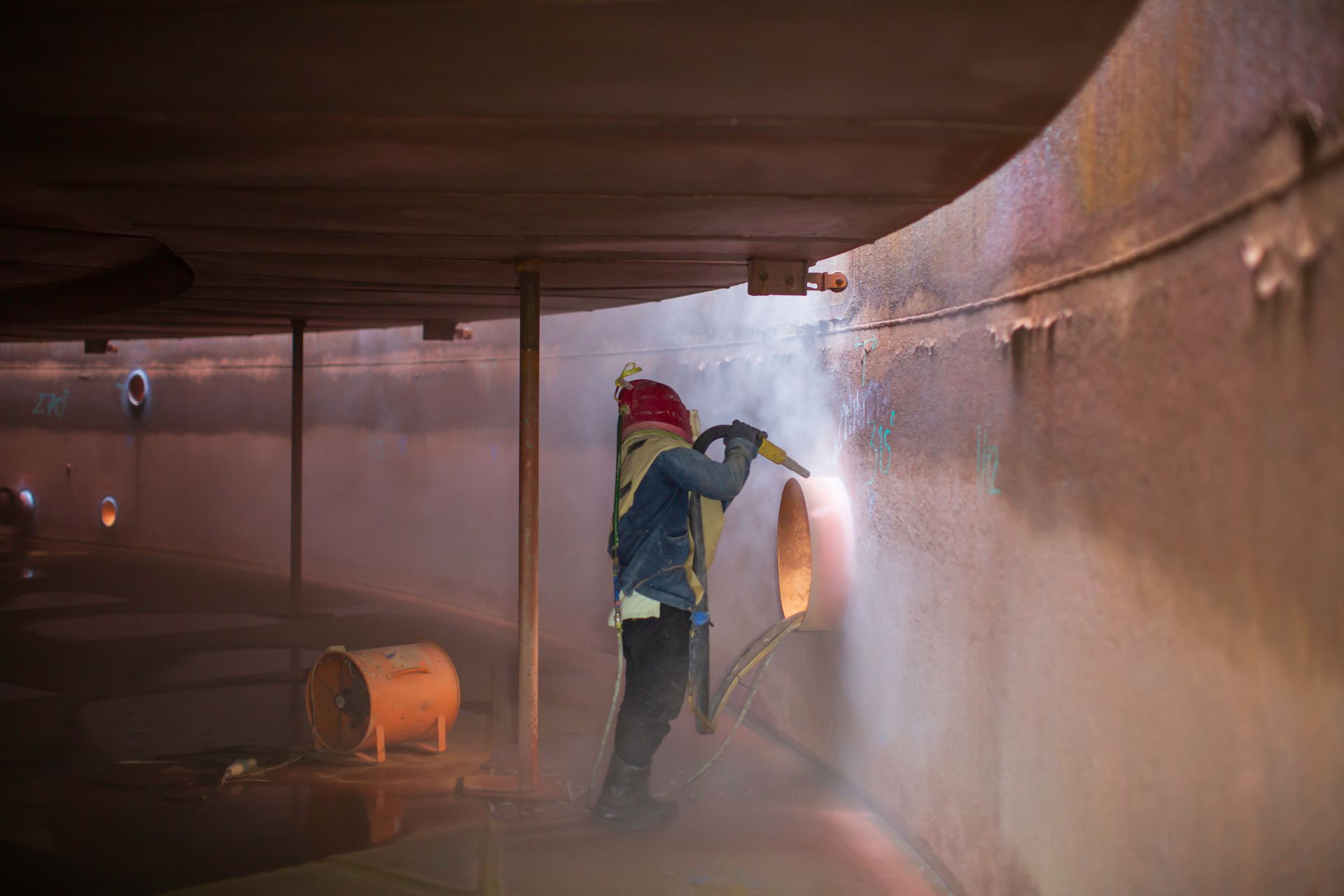
Know your surface before you choose your coating. Different substrates bond with coatings in very different ways. Steel, concrete, galvanized metal, and previously coated surfaces each need a specific approach. Start by identifying the base material and its condition. Look for rust, mill scale, old paint, moisture, and surface contamination.
Run a moisture and adhesion test if you can. Moisture trapped under a coating is one of the most common causes of premature failure on Gulf Coast job sites. In Gulf Coast areas of Texas, where summer humidity regularly climbs above 90%, this step is non-negotiable.
Quick Substrate Checklist
- Identify the base material (carbon steel, stainless, concrete, galvanized).
- Check for rust, pitting, mill scale, and prior coating layers.
- Test surface moisture and dew point before application.
- Confirm the required surface profile for the coating system.
Step 2: Factor in Your Environment
Environmental conditions directly shape which commercial paint supplies will perform. Texas industrial facilities, from Ship Channel refineries to inland plants, deal with hydrocarbon exposure, chemical splash, thermal cycling, and constant coastal or seasonal moisture. A coating that performs well inland may blister and delaminate here within a single season.
Consider these factors when building your checklist:
- Chemical exposure: Surfaces near process piping or storage tanks typically require epoxy systems with strong hydrocarbon and acid resistance.
- Temperature range: Structures cycling from cold winters to intense summer heat need flexible binders that resist cracking.
- UV exposure: Exterior surfaces need a UV-stable topcoat, such as polyurethane or polysiloxane finishes.
- Immersion service: Tanks and below-grade structures need coating systems rated for full immersion.
Step 3: Build a Complete Coating System
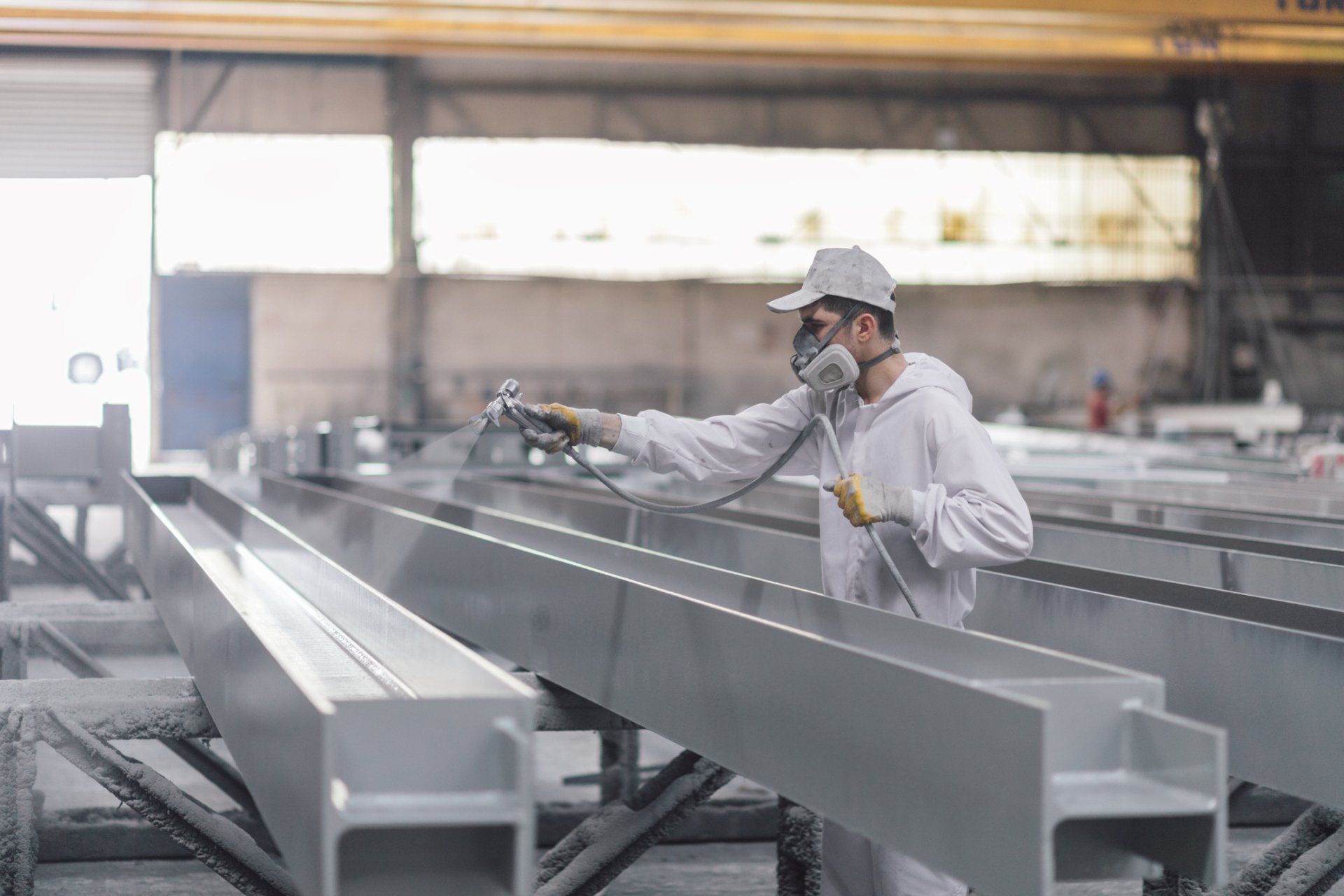
A single-coat solution is rarely enough for industrial work. Most durable systems use three layers, and each must work together rather than as individually chosen products.
- Primer: Bonds to the prepared substrate and provides corrosion inhibition. Zinc-rich primers are preferred for bare steel in marine and petrochemical environments like those near the Houston Ship Channel.
- Intermediate coat: Builds film thickness and adds barrier protection. High-build epoxy is a common choice for industrial projects.
- Topcoat: Provides UV resistance, chemical resistance, and the final seal. Aliphatic urethanes and polysiloxanes are popular exterior options for Gulf Coast projects.
Check the manufacturer data sheet for recoat windows and intercoat adhesion recommendations before committing to any system.
Step 4: Estimate Your Quantity Accurately
Start with your total surface area in square feet. Pull the theoretical spread rate from each product's data sheet, then apply a waste factor of 10 to 20 percent to account for overspray, surface profile, and transfer efficiency. Rough or heavily pitted surfaces consume more coating than smooth ones, so increase your waste factor accordingly. A reliable supplier of commercial paint supplies can help you calculate quantities and avoid costly over- or under-ordering.
Step 5: Check Compliance and VOC Requirements
The Texas Commission on Environmental Quality (TCEQ) sets VOC limits for industrial maintenance coatings statewide, with stricter limits in ozone nonattainment areas such as Houston-Galveston-Brazoria. Confirm compliance before finalizing your coating system.
Confirm TCEQ VOC compliance for the project region.
Request Safety Data Sheets for all products and verify VOC content in grams per liter.
Verify your coating system qualifies under applicable application method rules.
Check whether any products require hazmat shipping or special storage.
What Is the Best Primer for Steel in a Petrochemical Environment?
Zinc-rich primers are the standard starting point for bare carbon steel in chemical and marine environments. They provide galvanic protection by sacrificing zinc to protect the steel underneath. Inorganic zinc primers tend to offer higher heat and chemical resistance, making them strong candidates for tank exteriors and structural steel across the Texas Gulf Coast. Always verify compatibility with your chosen intermediate coat before committing.
How Do I Know If a Coating System Is Compatible?
The safest approach is to use products from the same manufacturer and confirm the system in writing via technical data sheet. If mixing brands, request written compatibility documentation from both manufacturers. Applying a topcoat outside the recoat window of the intermediate coat is one of the most frequent causes of inter-coat adhesion failure on industrial projects.
Do VOC Rules Apply to Maintenance Repaints or Only New Construction?
TCEQ VOC regulations typically apply to both new construction and maintenance recoating of industrial structures in the Houston-area nonattainment zone. The exemptions available may differ based on scope of work, coating category, and application method. Consult current TCEQ guidelines or ask your supplier for compliant commercial paint supplies before purchasing.
Ready to Source the Right Supplies for Your Next Project?
Substrate prep, environmental exposure, coating system compatibility, quantity estimation, and VOC compliance all affect whether your project holds up or fails early. T-Tex Industries serves contractors across Texas with a full line of industrial coating supplies, painting equipment, abrasives, and safety products from surface prep through final topcoat. Contact T-Tex Industries to discuss your project requirements.
Call (713) 991-7070 or visit T-Tex Industries on Google to get started.